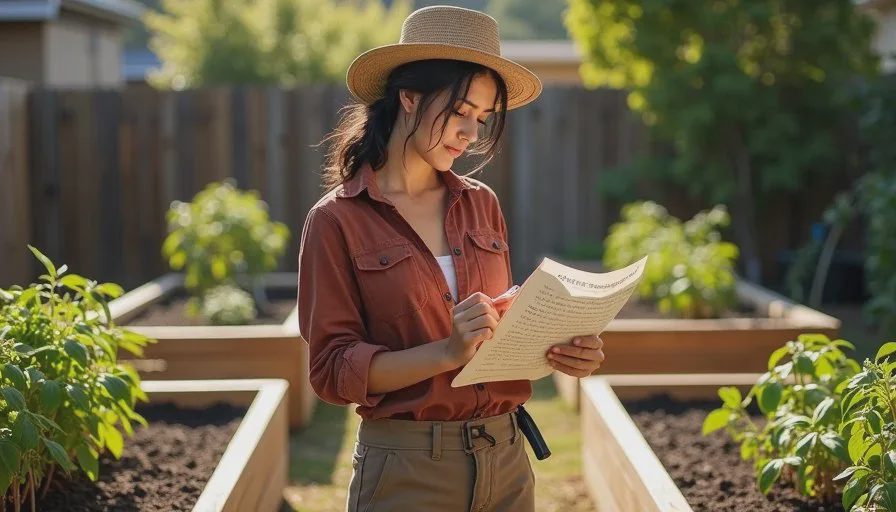
Every spring I make the same mistake. I plan a garden that a better gardener would grow, and then I plant it in the soil I actually have, in the climate I actually live in, with the amount of time I actually have after work. By August, half of it is thriving and half of it is a lesson. This year I brought AI into the planning, and then I did the only honest thing you can do with a garden plan: I let the plants vote.
This is the eighteenth entry in The AI Test Log and the third in the Life Tests column. I grow tomatoes, peppers, herbs, and green chiles in raised beds behind a 1920s Denver bungalow. I am not a master gardener. I am a person with four beds, a hose, and a compost pile that is doing something I do not fully understand. If you are looking for AI for gardening that promises a perfect harvest, this is not that post. If you want to know what held up over a season, keep reading.
The Garden and the Problem
What I Was Working With
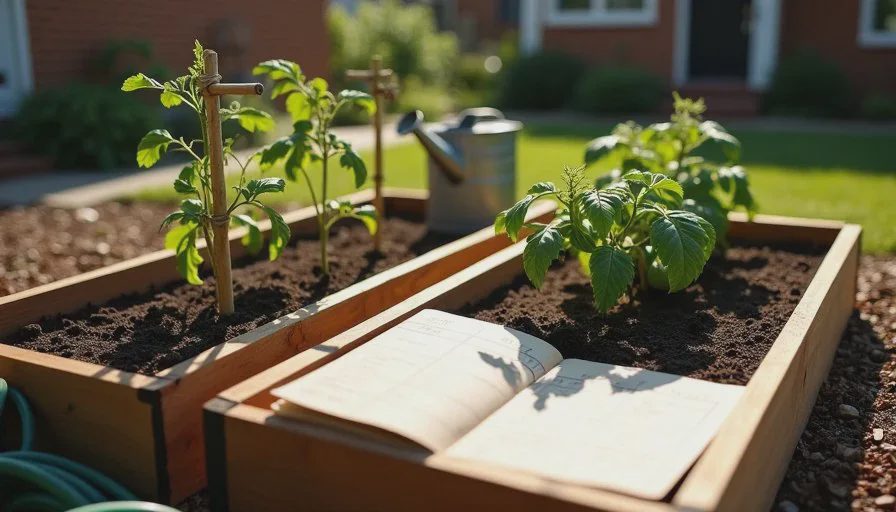
Four raised beds, each about four feet by eight. Full sun in the morning, partial shade in the late afternoon because of a neighbor's tree that I cannot do anything about. Denver soil is clay-heavy and alkaline, which means I amend heavily and I still fight it. The growing season is shorter than people expect, and the late spring snow is not a rumor.
I grow the same things most years because I know what works. Tomatoes, several pepper varieties, herbs in a separate bed, and green chiles for the sauce business. The chiles matter more than the rest because Prompt & Pepper depends on them.
What Kept Going Wrong
Two problems, every year. My tomato spacing was too tight, which I knew and kept doing anyway because I wanted more plants. And my watering was inconsistent, heavy in July and forgetful in August when work got busy.
Both problems were mine. Neither one was a mystery. That is exactly why I wanted to test whether a planning tool could help me stop repeating them.
What I Wanted From AI
Not a garden design. Three practical things. A spacing plan for the beds I have, a watering schedule that accounts for Denver's dry air and my actual availability, and a planting calendar for this climate that I could put on the refrigerator.
That is a bounded request. It is also the shape of task where AI has been most reliable in this log.
What the Plan Got Right
The Spacing Math
This was the clearest win. I described my four beds and the varieties I wanted, and the assistant produced a spacing plan with plant counts per bed.
The number for tomatoes was lower than what I usually plant, and it was correct. I have been crowding them for years because the seedlings look small in May. By July they are not small, and airflow suffers, and I get more disease pressure than I should.
I planted three fewer tomato plants per bed this year. The yield per plant went up. Total yield was roughly the same, and the plants were healthier, which I noticed in the first week of August when the usual leaf spot did not show up.
The Planting Calendar
Denver's last frost date is a moving target and the window between last frost and first frost is shorter than most garden calendars assume. The assistant produced a week-by-week calendar with indoor start dates, transplant dates, and direct-sow dates, and I checked it against the county extension guide.
It matched the extension guide on every crop I grow. That is a real result. I put the calendar on the refrigerator and followed it, and for the first time in three years I did not start my tomatoes too late.
The Watering Framework
This one came with a correction I did not expect. I asked for a watering schedule and the answer was built around checking soil moisture at depth rather than watering on a fixed day. That is basic gardening advice, and I had been ignoring it for years.
The framework was simple. Check two inches down before watering. Water deeply when dry, not lightly every day. Adjust for the afternoon shade in my beds.
I followed it and I still overwatered in July. The framework was right. My execution was not.
What the Plants Overruled
The Pepper Placement
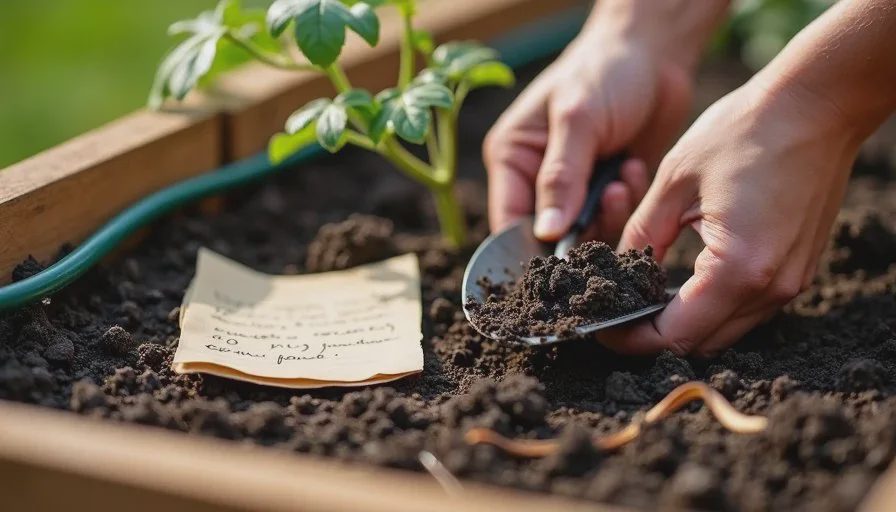
The plan put the chiles in the bed with the most afternoon sun. The plants disagreed. Two weeks after transplant, the leaves on the chile plants in that bed were pale and curling while the ones in the partially shaded bed were deep green and growing faster.
I moved four plants. They recovered in about ten days. The plan was based on general sun requirements for peppers, which is reasonable, and it did not know that my specific afternoon shade arrives at the hottest part of the day and that my particular chile variety has done better in it for two seasons.
The plants voted. I listened.
The Herb Bed
The plan suggested putting herbs in the bed closest to the house for easy access. That bed has the worst drainage of the four because of how the previous owner graded the yard. Basil in that bed has failed for me twice.
I planted the herbs in the third bed instead, which is what I have done every year. The plan was reasonable and it was wrong for my yard.
The Volunteer Tomato
A tomato came up on its own in the compost-amended corner of bed two, from a seed that survived the pile. I left it because it looked healthy. It produced more fruit than any plant I started indoors.
No plan predicted that, and no plan needed to. Some things in a garden are just luck and attention.
What Failed
The Watering Reminder
I asked the assistant to help me build a watering reminder system. It suggested a weekly schedule and a note in my phone. The schedule was too rigid for Denver's weather swings and the note got ignored within two weeks, which is exactly what happened with every reminder system I have tried.
The problem is not the reminder. The problem is that I do not want to water on a schedule, and the tool could not fix my habit.
The Fertilizer Recommendation
The assistant suggested a feeding schedule with specific numbers. I checked one of them against the product label on the fertilizer I actually use, and the number did not match. I used the label.
This is the same pattern I have hit in every column of this log. Specific numbers that did not come from a document I supplied are guesses, and in a garden they are guesses about something I am going to put in the soil where I grow food.
The Pest Diagnosis
Mid-season, something started eating holes in the basil leaves. I described the damage and asked what it was. The answer was a confident identification that did not match what I found when I looked at night with a flashlight.
I found the actual culprit in about five minutes and handled it without spraying anything. The diagnosis was plausible and wrong, and it is a good reminder that a description of damage is not the same as seeing the plant.
What Still Needed Human Judgment
Every decision about what to plant and where. Every judgment about soil and drainage that comes from years in the same yard. Every call about when to water, which depends on the weather that week, not a schedule.
And every decision about the chiles, which are the one crop tied to my business. The plants voted on those first, and I was paying close attention because the sauce depends on them.
What I Would Do Differently
I would give the plan my actual shade pattern and drainage notes in the first request instead of correcting it later. Two sentences about the neighbor's tree and the graded yard would have changed the pepper and herb placements.
I would also skip the reminder system entirely. I have never kept one, and I do not think I will.
Cost and Time
AI cost: nothing beyond a subscription I already had. Planning time: about an hour and a half in February, including checking the calendar against the extension guide. Time saved: the calendar and spacing plan probably saved me a weekend of reseeding and replanting. Time lost: one afternoon moving pepper plants and one afternoon chasing a wrong pest diagnosis. Net, the plan was worth it, and the parts that failed were the parts that tried to replace attention.
Final Verdict
Useful with guardrails.
For spacing, timing, and a watering framework, this changed my season for the better. For anything specific to my yard, my soil, or a living plant, the answer came from looking at the actual bed and letting the plants tell me. The chiles voted first, and they were right.
Take it apart first. Then ask AI.
No comments yet — be the first to share a thought.